The Importance of Prompt Care From an Emergency Dentist in Plano, TX
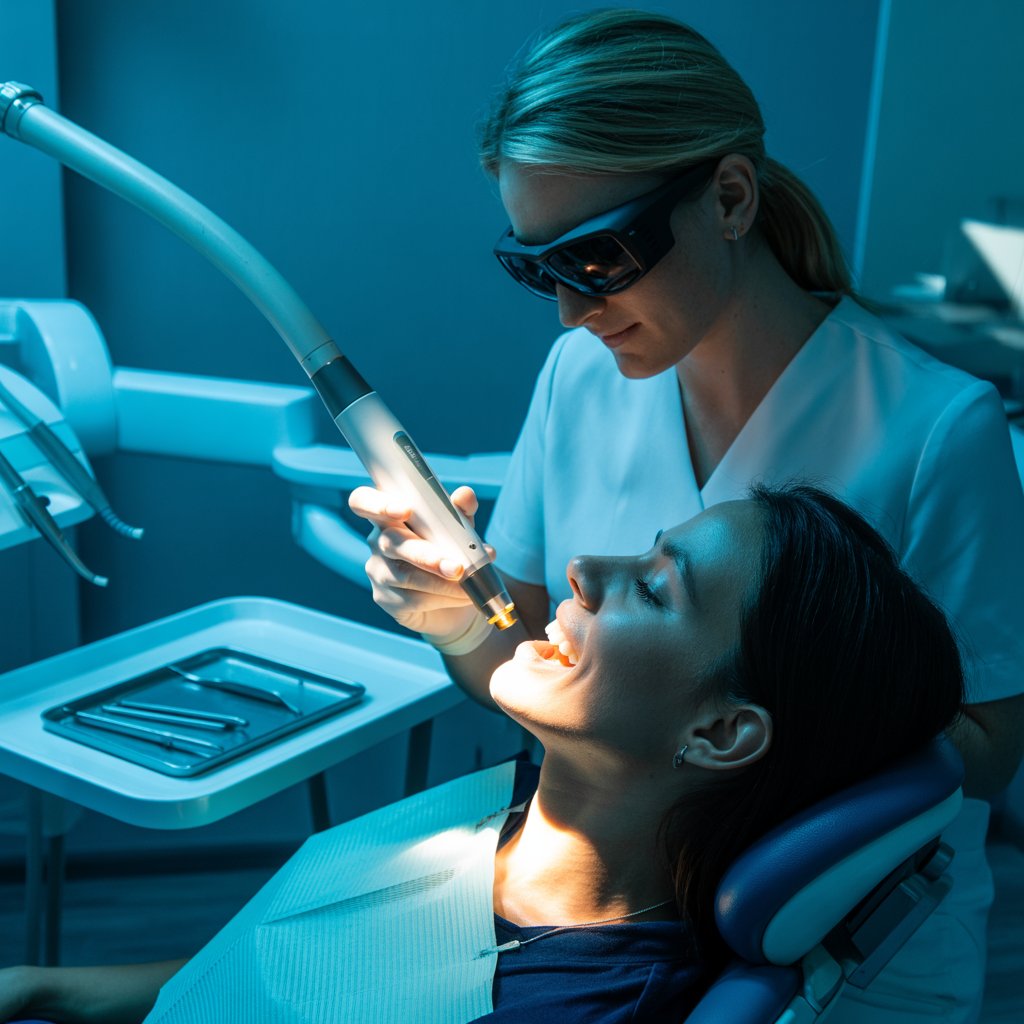
Dental emergencies have a way of disrupting everything at once. A normal workday turns into a scramble for pain relief. A family dinner gets interrupted by a cracked molar. A child slips at practice, and suddenly there is blood, fear, and a parent trying to decide whether to wait until morning or find help now. In those moments, timing matters more than most people realize.
Prompt dental care is not just about comfort, though pain alone is reason enough to act. It is also about preserving teeth, limiting infection, reducing treatment complexity, and avoiding the kind of damage that becomes harder and more expensive to fix with every passing hour. When people search for an Emergency dentist Plano, TX, they are often already in the middle of a stressful situation. What they need is not guesswork. They need clear judgment, fast access, and the right treatment at the right time.
Why delays create bigger problems
The mouth is not forgiving when trauma or infection begins to spread. A small fracture can deepen with every bite. A filling that falls out can expose sensitive inner tooth structure and quickly become severe pain. A gum infection can move beyond irritation and become a swelling that affects eating, sleeping, or even swallowing. In dentistry, a few hours may not always change the final outcome, but sometimes they change everything.
A common example is a cracked tooth. Early on, the damage may be limited to enamel or the outer structure of the tooth. A patient might feel only a sharp twinge when chewing. If treated promptly, the tooth may be restored with a bonded filling or crown. If the same patient waits several days and continues to chew on it, that crack can travel deeper toward the nerve. Once the pulp is involved, the treatment often shifts to root canal therapy or extraction. The difference between those two scenarios is not minor.
The same pattern shows up with infections. Toothaches are often dismissed because the pain sometimes fades temporarily. That can be misleading. When pain lessens on its own, it may mean the nerve inside the tooth is dying, not that the problem has resolved. Meanwhile, bacteria continue to spread. What might have been handled as a routine emergency visit can turn into a more extensive infection requiring drainage, antibiotics, and more Emergency dentist Plano, TX complex restorative care after the acute phase settles.
Pain is only one part of the emergency
People often judge urgency by pain level alone. That is Emergency dentist Plano, TX understandable, but not always reliable. Some of the most serious dental issues are not the ones that hurt the most at first.
A knocked out adult tooth is the clearest example. It is dramatic, but it is not always excruciating in the first few minutes. What matters most is speed. Reimplantation success is highest when the tooth is handled correctly and returned to care quickly. Every minute out of the mouth affects the prognosis. In practical terms, that means calling an emergency dentist immediately, not after a few hours of online searching and home remedies.
Bleeding is another issue people tend to underestimate. Soft tissue injuries inside the mouth can look worse than they are because the area is so vascular, but persistent bleeding deserves prompt evaluation. A lip or tongue laceration may need more than ice and gauze. Trauma can also hide damage to the roots, jawbone, or surrounding teeth that is not obvious in a bathroom mirror.
Swelling deserves the same respect. Facial swelling linked to a dental problem is not something to monitor casually for several days. If the swelling is increasing, or if it affects breathing, speaking, or swallowing, it moves from dental urgency to a potential medical emergency. That is a situation where prompt professional evaluation is critical.
What counts as a true dental emergency
Not every problem needs a same hour visit, but many common issues should be seen the same day or as soon as possible. Patients often hesitate because they do not want to overreact. In practice, it is better to call and be told a problem can safely wait than to assume and be wrong.
These situations usually warrant prompt evaluation by an emergency dental team:
- Severe tooth pain that does not improve or keeps returning
- A knocked out, broken, or significantly loosened tooth
- Facial swelling, gum abscess, or signs of infection
- A lost crown, filling, or bridge when the tooth is painful or exposed
- Bleeding after trauma that does not stop with gentle pressure
There are edge cases, of course. A lost filling in a back tooth with no pain may be urgent but not necessarily middle of the night urgent. A chipped front tooth with no nerve exposure may be more cosmetic than emergent, though still worth addressing quickly. The point is not to panic. It is to avoid the dangerous habit of waiting by default.
The practical value of same-day evaluation
One of the most important things an emergency dentist does is narrow uncertainty fast. That may sound simple, but it is a major part of good care. Patients are often dealing with pain, anxiety, missed work, and concern about cost. They need answers. Is the tooth savable? Is there an infection? Can the pain be controlled today? Will treatment be temporary or definitive?
A timely examination, often paired with dental imaging, answers those questions before a bad situation becomes worse. That first visit may involve draining an abscess, stabilizing a broken tooth, prescribing medication when appropriate, adjusting a bite that is triggering pain, or placing a temporary restoration to protect exposed tooth structure. Even when the final treatment is scheduled for a later date, immediate intervention changes the trajectory.
There is also a quality-of-life piece that should not be overlooked. Dental pain is uniquely exhausting. It interferes with eating, concentration, and sleep in a way that quickly wears people down. A patient who has spent two nights sitting upright with a throbbing molar is not simply uncomfortable. They are depleted. Prompt care helps medically, but it also restores some normalcy and control.
Why local access matters in Plano
In an emergency, convenience is not a luxury. It affects outcomes. Being able to see an Emergency dentist Plano, TX instead of driving across the metro area with swelling, trauma, or a distressed child makes a real difference. Local access means shorter travel time, less chance of delaying care, and easier follow-up if a second visit is needed.
Plano also has the characteristics of a busy community where dental emergencies naturally arise. Families juggle school schedules, sports, work commutes, and packed calendars. A chipped incisor from a basketball game or a cracked crown discovered during lunch is not unusual. In those moments, a nearby practice with emergency capacity can prevent a manageable problem from becoming an all weekend ordeal.
For parents, local access is particularly important. Children do not always describe symptoms clearly, and injuries can escalate quickly when fear is involved. A child with dental trauma may be crying not only from pain but from the shock of seeing blood or a broken front tooth. Getting into a nearby office promptly can calm the situation, provide proper evaluation, and preserve options for treatment.
The difference between home care and actual treatment
Home care has a role. It just has limits. Rinsing with warm salt water, using a cold compress, taking over-the-counter pain medication as directed, or storing a knocked out tooth properly while heading to the dentist are sensible first steps. They buy time. They do not solve the underlying problem.
That distinction matters because many people unintentionally turn temporary relief into a reason to postpone care. They chew on the other side for a few days. They use clove oil. They hope the swelling will go down on its own. Sometimes the body quiets the symptoms briefly, but the pathology remains. The cracked tooth is still cracked. The infection is still present. The exposed dentin is still vulnerable.
A dental emergency should be thought of in two phases. First, stabilize what you can at home. Second, get professional evaluation promptly. Skipping the second part is where trouble usually starts.
When minutes matter most
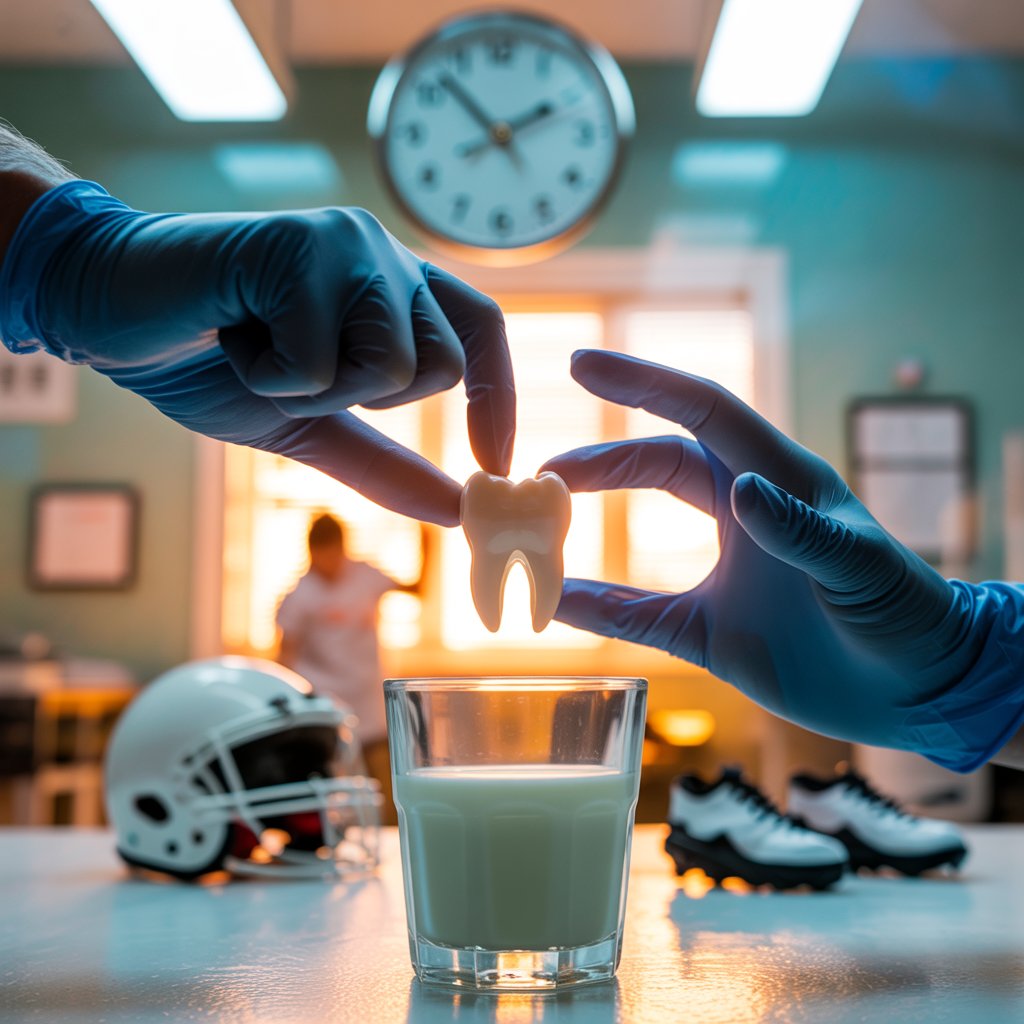
Some emergencies allow a short window for planning. Others are genuinely time sensitive. Knocked out permanent teeth are the clearest example. The root surface contains living cells that are damaged by drying out. That is why proper handling matters. The tooth should be picked up by the crown, not the root, gently rinsed if dirty, and kept moist, ideally in milk or a tooth preservation medium if available. Then the patient should head for emergency care immediately.
Children create a special exception here. If a baby tooth is knocked out, it is typically not reimplanted because doing so can harm the developing permanent tooth underneath. Parents often do not know that in the moment, which is exactly why a fast call to a dental office is so useful. Good emergency care is not only treatment. It is triage, instruction, and reassurance based on the age of the patient and the type of injury.
Deep infections also belong in the time-sensitive category. Pain with visible swelling under the jaw, difficulty opening the mouth, fever, or swelling that is moving into the face should not wait. While dentists manage many oral infections, certain presentations require coordination with urgent medical care or an emergency room, especially if breathing or swallowing becomes affected. Experienced dental teams know where that line is and act accordingly.
Saving a tooth often depends on early action
One of the most frustrating things for patients is learning that a tooth might have been saved more easily if they had come in sooner. That conversation happens more often than people think, especially with fractured teeth and neglected decay that becomes acute.
A small cavity rarely feels urgent. Once it turns into a raging toothache, the process is already far along. At that stage, the options narrow. Instead of a filling, the tooth may need root canal treatment and a crown. If there is too little structure left or the crack extends below the gumline, extraction may be the only predictable option. Prompt care is not just about getting through today. It preserves future choices.
This is especially important with front teeth. Trauma to an anterior tooth affects appearance immediately, but it also affects speech, bite, and confidence. A prompt visit can allow for bonding, splinting, or other measures that protect the tooth while planning more definitive cosmetic or restorative work. Delay can turn a repair into a replacement.
What a good emergency visit should feel like
Patients in pain do not need a drawn-out lecture. They need calm, efficient care. A strong emergency visit usually starts with clear questions, focused imaging when needed, and a straightforward explanation of what is happening. The best dental teams know how to set priorities. Relieve pain. Control infection. Preserve the tooth if possible. Stabilize the situation. Then outline the next step.
That may sound obvious, but execution matters. A patient with an abscess and visible swelling does not benefit from vague advice to watch it for another week. A patient with a broken cusp needs to know whether the tooth is structurally sound enough for a crown or whether the crack raises concern for deeper damage. Precision in those early decisions reduces both risk and frustration.
Communication is part of emergency care too. Patients deserve to know whether treatment today is definitive or temporary, what warning signs to watch for, and when to return if symptoms change. They also need realistic expectations. Numbness wears off. Root canal discomfort can persist for a few days. A temporary crown is not meant to last forever. These are ordinary details, but they matter enormously when someone is already stressed.
Cost concerns are real, but delay often costs more
People sometimes postpone emergency treatment because they are worried about the bill. That concern is real and understandable. Dental work can be expensive, especially when multiple procedures are needed. But from a practical standpoint, delay often increases total cost rather than reducing it.
A tooth that could have been restored with a modest procedure may progress to needing endodontic treatment, a crown, or extraction and replacement. Replacing a missing tooth with an implant or bridge is significantly more involved than preserving the natural tooth in the first place. Even beyond the clinical cost, there are indirect costs: missed work, disrupted sleep, repeated urgent care visits, and prescriptions that manage symptoms without resolving the cause.
Good emergency practices understand this tension. They typically focus first on what is medically necessary now and then help patients think through the next phase. That kind of sequencing is valuable. It acknowledges financial reality without letting the condition worsen unnecessarily.
How to respond before you get to the office
A few basic steps can protect the situation while you arrange care. These are not substitutes for treatment, but they can make the trip to the dentist safer and more manageable.
- Rinse gently with warm water to clear debris and assess the area
- Use a cold compress on the outside of the face for swelling or trauma
- Take over-the-counter pain medicine as directed, unless a physician has told you not to
- If a permanent tooth is knocked out, keep it moist and avoid touching the root
- Call an emergency dental office promptly and describe the symptoms clearly
One caution worth stressing: do not place aspirin directly against the gums or tooth. People still try this, and it can irritate or burn the tissue without fixing the pain source.
The emotional side of emergency dentistry
Dental emergencies are not only clinical events. They can be deeply emotional. Adults often feel embarrassed that they waited too long or anxious about what treatment will be needed. Parents feel guilt even when accidents are unavoidable. Teenagers worry immediately about how they look if a front tooth is broken. Older adults may fear losing a tooth that supports a denture or bridge and destabilizing years of prior dental work.
An experienced emergency dentist recognizes that emotional load and addresses it directly. Calm explanations matter. So does pacing. A frightened patient may need the first few minutes of the appointment to simply catch their breath and understand that relief is available. In my experience, that moment of reassurance changes everything. Once patients know the problem has been identified and a plan is in place, their pain often feels more manageable even before treatment begins.
Prompt care protects more than teeth
There is a tendency to frame emergency dentistry in narrow terms, as if the only question is whether a tooth hurts. But prompt treatment protects function, appearance, sleep, nutrition, and overall health. It can prevent infection from spreading. It can preserve a natural tooth that might otherwise be lost. It can spare a family a weekend of escalating stress and uncertainty.
For anyone in pain, dealing with trauma, or noticing swelling or bleeding that seems out of the ordinary, the safest move is simple: get evaluated promptly. Searching for an Emergency dentist Plano, TX is not overreacting when symptoms are significant. It is the practical decision that gives you the best chance of protecting your health and limiting the damage.
A dental emergency rarely improves because it was ignored. More often, it becomes more expensive, more painful, and more complicated. Timely care shifts the odds back in your favor.
Vitality Dental
1220 Coit Rd # 106, Plano, TX 75075, United States
+1 972-645-4100
FAQ About Emergency dentist Plano, TX
Will the ER do anything for dental pain?
An emergency department can assess urgent symptoms and provide medical stabilization. Definitive treatment of the tooth usually requires a dentist. Seek emergency medical care for breathing or swallowing difficulty, uncontrolled bleeding, or serious facial injury.
What to do if I have a dental emergency in the middle of the night?
Contact a dentist or after-hours dental service promptly for guidance. If a permanent tooth is knocked out, keep it moist in milk while seeking immediate care. If symptoms suggest a medical emergency, go to an emergency department.
What qualifies as a dental emergency?
A knocked-out permanent tooth, severe or persistent tooth pain, a significant dental injury, or swelling may require urgent dental assessment. Call a dentist to describe the symptoms and determine timing. Uncontrolled bleeding or difficulty breathing or swallowing requires emergency medical care.